
BLOG: 13 Iconic Ghost Photos Spanning 130 Years of Hauntings
Halloween is here again, and with it comes a perfect excuse to pull out some of the creepiest stories and images ever captured on film. For generations, ghost photos have fascinated believers and skeptics alike—sparking chills, debates, and plenty of late-night storytelling. Whether staged, misunderstood, or something truly unexplainable, these pictures have earned their place as some of the most talked-about snapshots in paranormal history.
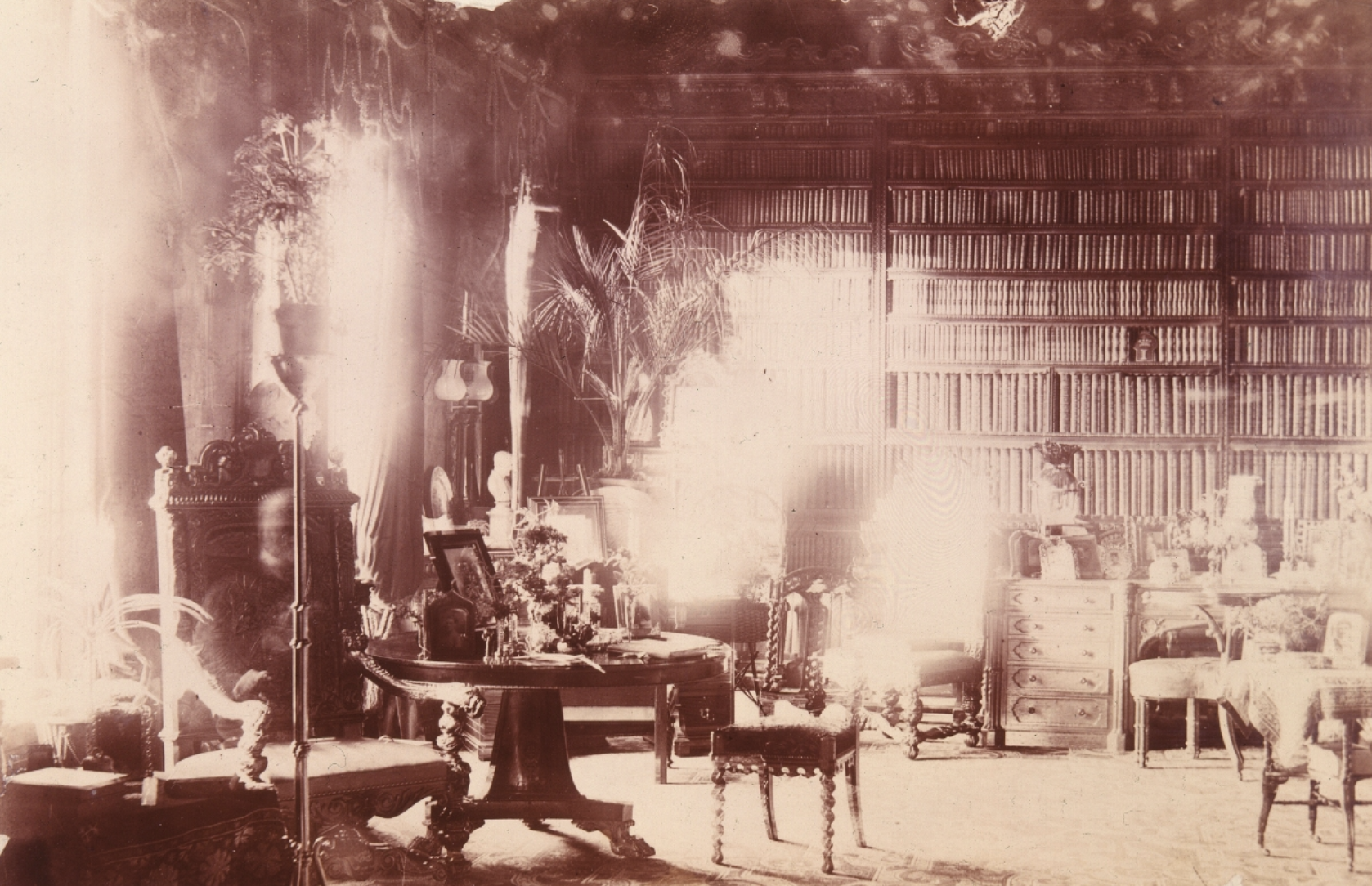
1) Lord Combermere in the Library (1891, Combermere Abbey)
While a photographer was capturing an image of the library at Combermere Abbey, the recently deceased Lord Combermere was being buried across the estate. When the plate was developed, a faint but distinct figure resembling Lord Combermere appeared seated in the library chair. The long exposure time of the camera meant that any living person moving into the shot would have appeared blurred, but the apparition looks eerily still and recognizable. Though some skeptics argue it could have been a servant passing through, the timing of the burial gave the photo a chilling resonance. It remains one of the earliest and most famous spirit photographs tied directly to a documented death.
2) Freddy Jackson’s Squadron Portrait (1919 / published 1975, HMS Daedalus)
After World War I, a squadron photo was taken of a group of Royal Air Force servicemen. When the image was developed, an extra face appeared in the back row—identified by many in the unit as Freddy Jackson, a comrade who had been killed in an accident just two days earlier. The eerie inclusion went unexplained, with no known trick photography involved, and the photo has since been cited as one of the most convincing “spirit returns” in history. Believers see it as a fallen soldier unwilling to leave his unit, while skeptics argue it could have been a simple case of mistaken identity. Either way, the story and the spectral face endure as one of the most striking wartime ghost tales.
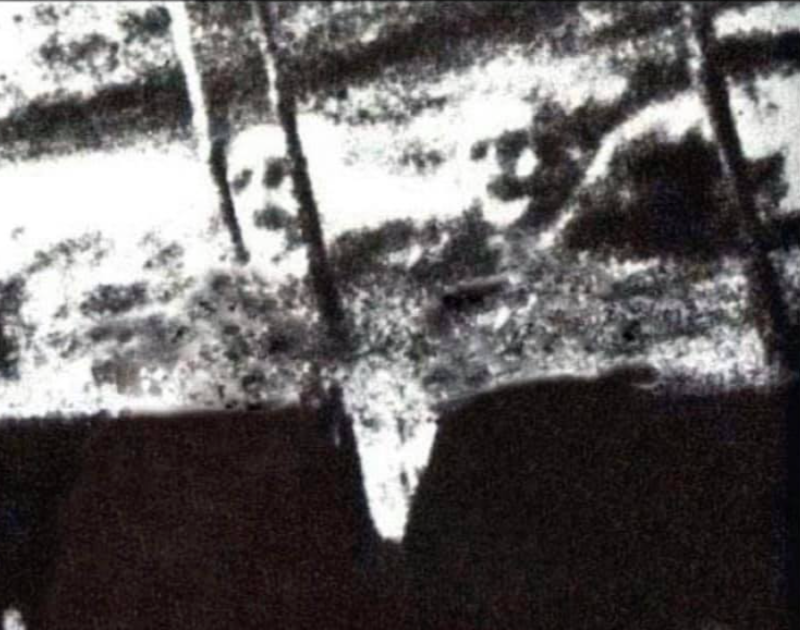
3) The Faces of the SS Watertown (1924, Pacific Ocean)
Sailors aboard the SS Watertown reported seeing the faces of two shipmates who had died in an onboard accident appearing in the waves beside the vessel. A ship’s officer snapped a series of photographs, and one seemed to show two human-like faces emerging in the sea spray. While later investigations questioned whether the image had been retouched or misinterpreted, the story gained wide attention and was frequently reprinted in books and magazines about sea mysteries. The Watertown photo became a staple of maritime ghost lore, illustrating the belief that lost sailors sometimes linger near their final resting place.
4) The Brown Lady of Raynham Hall (1936, Norfolk, England)
Perhaps the most famous ghost photo ever taken, the Brown Lady was captured descending the grand staircase of Raynham Hall in Norfolk, England, by photographers for Country Life magazine. The misty figure, draped in what looks like a brown gown, was believed to be Lady Dorothy Walpole, who had lived and died there in the 18th century under tragic circumstances. The photo was widely reprinted, including in LIFE magazine, and experts of the era examined the negative without finding evidence of tampering. While skeptics suggest double exposure or motion blur, the image’s clarity and the eyewitness accounts of the photographers give it enduring weight. Nearly a century later, it remains the defining image of a “classic” English haunting.
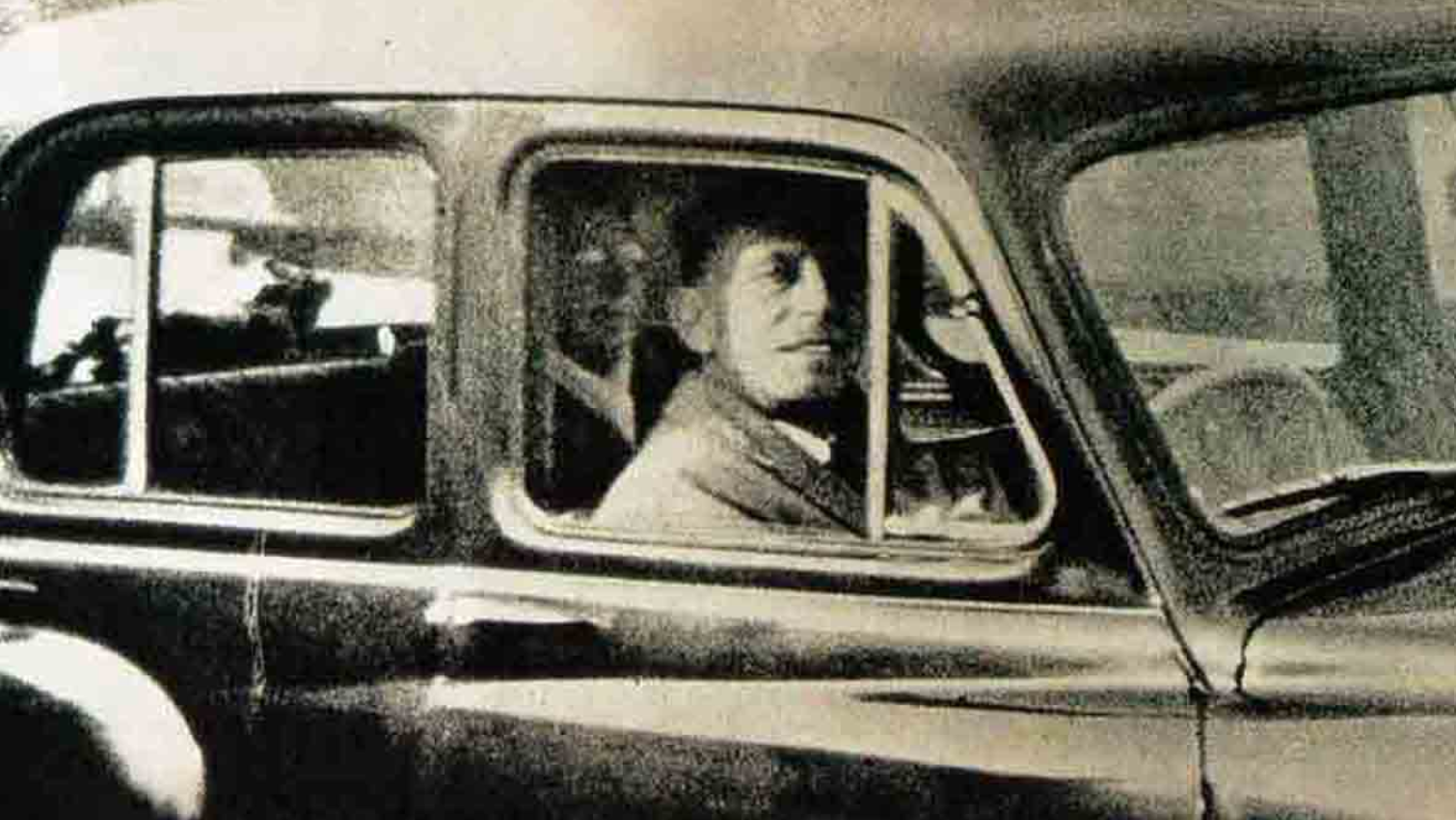
5) The “Back Seat Ghost” (1959, UK)
In the mid-1950s, Mabel Chinnery took a casual photograph of her husband waiting in the car after they had visited her mother’s grave in England. When the film was developed, the image seemed to reveal an unmistakable figure seated in the back seat—said to be Mabel’s late mother herself, captured just minutes after they had paid respects at her burial site. The uncanny detail and everyday setting gave the photo immediate attention, with newspapers at the time even consulting photography experts to weigh in on its authenticity. While skeptics argue it could be a case of mistaken identity, coincidental shadowing, or a film anomaly, the picture’s unposed and personal nature has made it one of the most enduring examples of alleged spirit photography, standing apart from staged séance images of earlier eras.
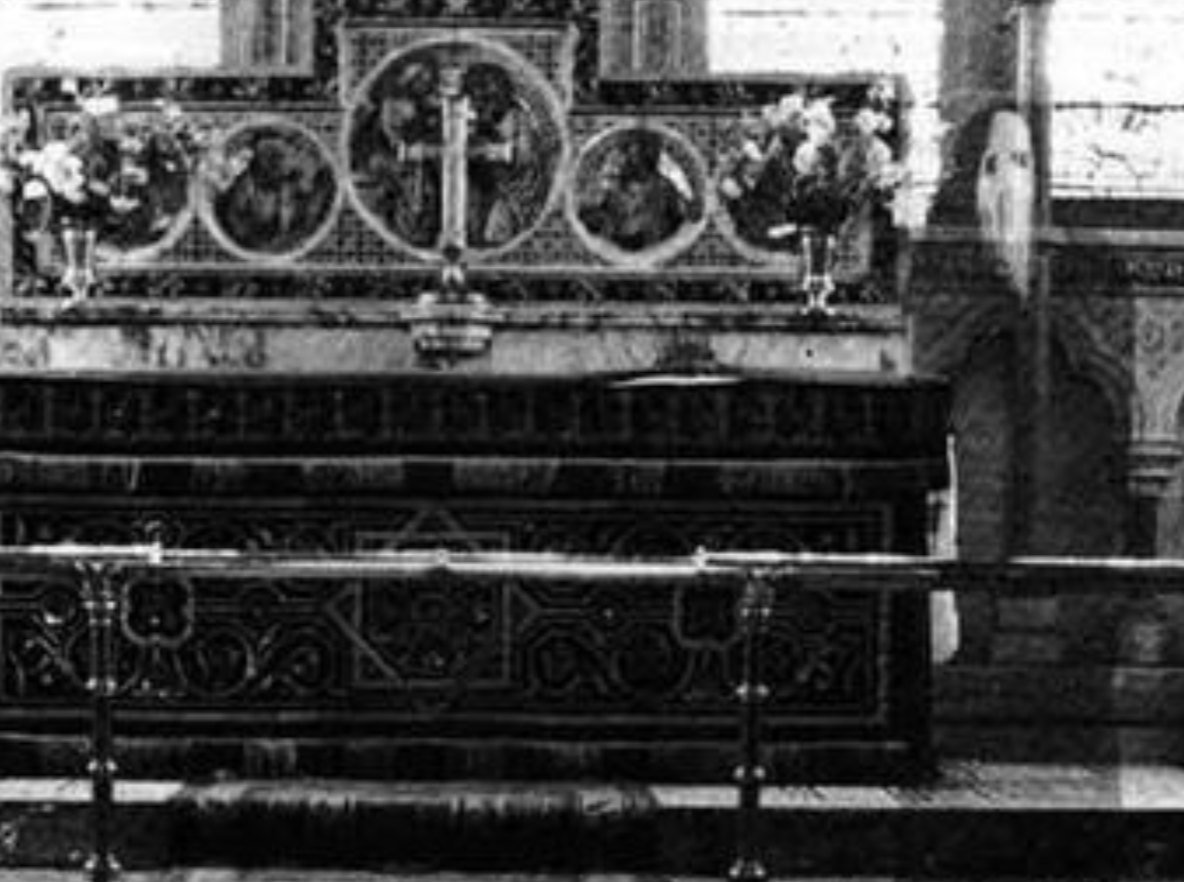
6) The Spectre of Newby Church (1963, North Yorkshire)
In 1963, Reverend K. F. Lord was photographing the interior of his church in Newby, North Yorkshire, when one frame revealed a towering figure in a dark robe with a pale, distorted face. Dubbed the “Newby Monk,” the apparition appears nearly nine feet tall and stands in clear contrast to the altar behind it. Some suggested the unsettling mask-like face was too elaborate to be accidental, raising suspicions of a hoax, while others pointed to the negative showing no signs of tampering. The photo remains one of the most debated ghost images of the 20th century, with its unsettling clarity making it far harder to dismiss than most spirit photos of the era.
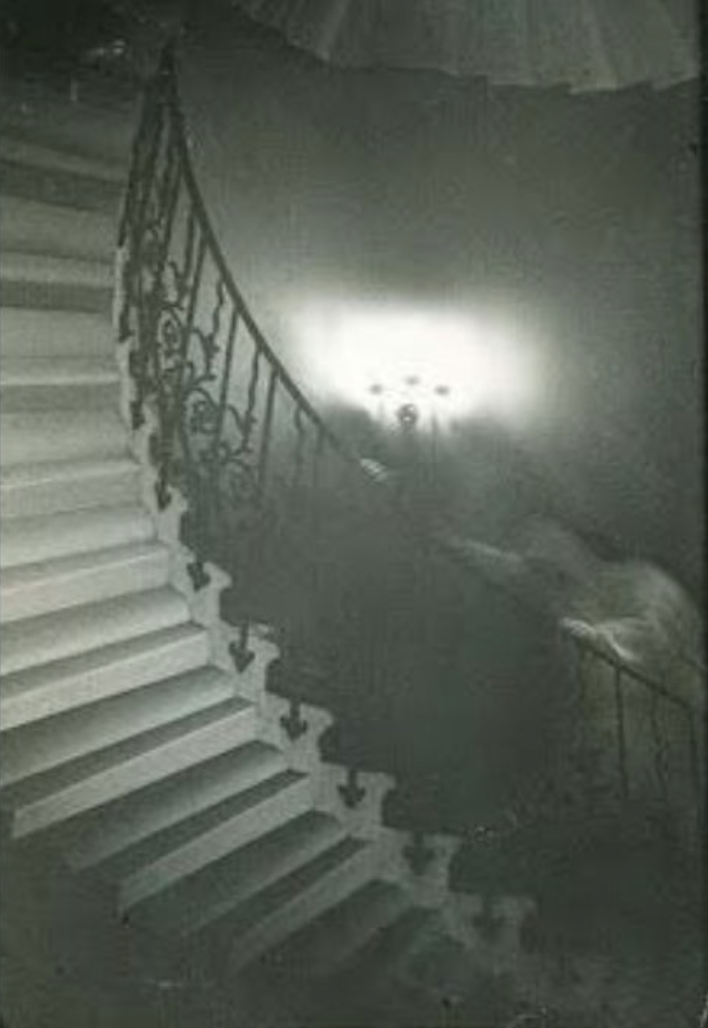
7) The Tulip Staircase Ghost (1966, Queen’s House, Greenwich)
Taken by a retired clergyman during a visit to the Queen’s House in Greenwich, England, the Tulip Staircase photo shows a figure in robes or flowing clothing ascending the ornate spiral stairs. The staircase itself has a reputation for strange sounds and sightings, but no one was visible when the picture was taken. Photography experts who examined the image ruled out double exposure, leaving the “hooded figure” unexplained. The Queen’s House has leaned into the lore, displaying the photo as part of its haunted reputation, and the image is often described as one of the clearest alleged captures of a spirit on film.
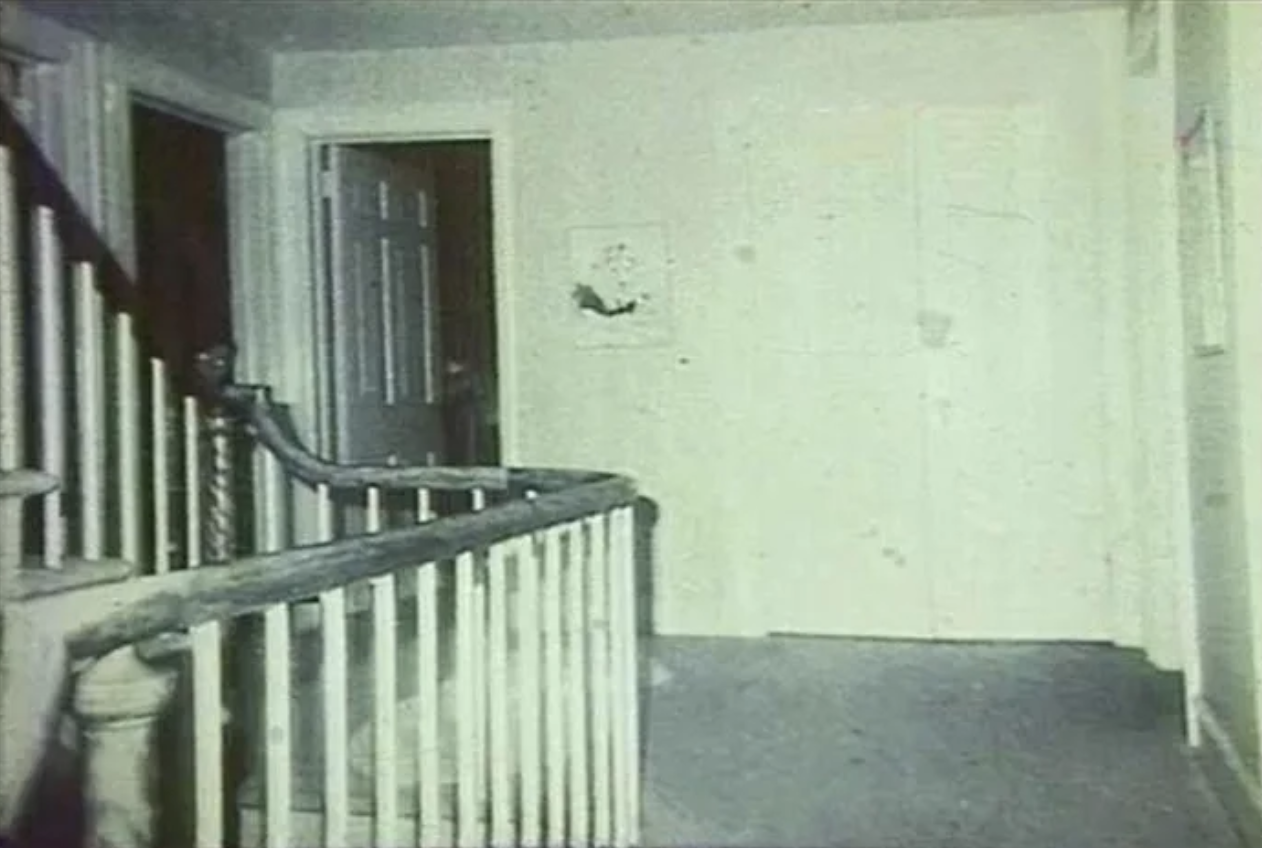
8) The Amityville “Ghost Boy” (1976, Amityville, New York)
During the investigation of the Amityville house by Ed and Lorraine Warren, an automatic infrared camera was set up to capture any anomalies in the night. Among hundreds of frames, one stood out: a small boy with glowing eyes peering from a doorway. The home had already gained infamy as the site of the 1974 DeFeo family murders, followed by the Lutz family’s harrowing claims of demonic activity before they fled after just 28 days. George Lutz revealed the image in 1979 on The Merv Griffin Show, fueling both fascination and controversy. Some skeptics say it shows a living investigator or child accidentally caught in frame, while others believe it captured one of the murdered DeFeo children lingering in the home.
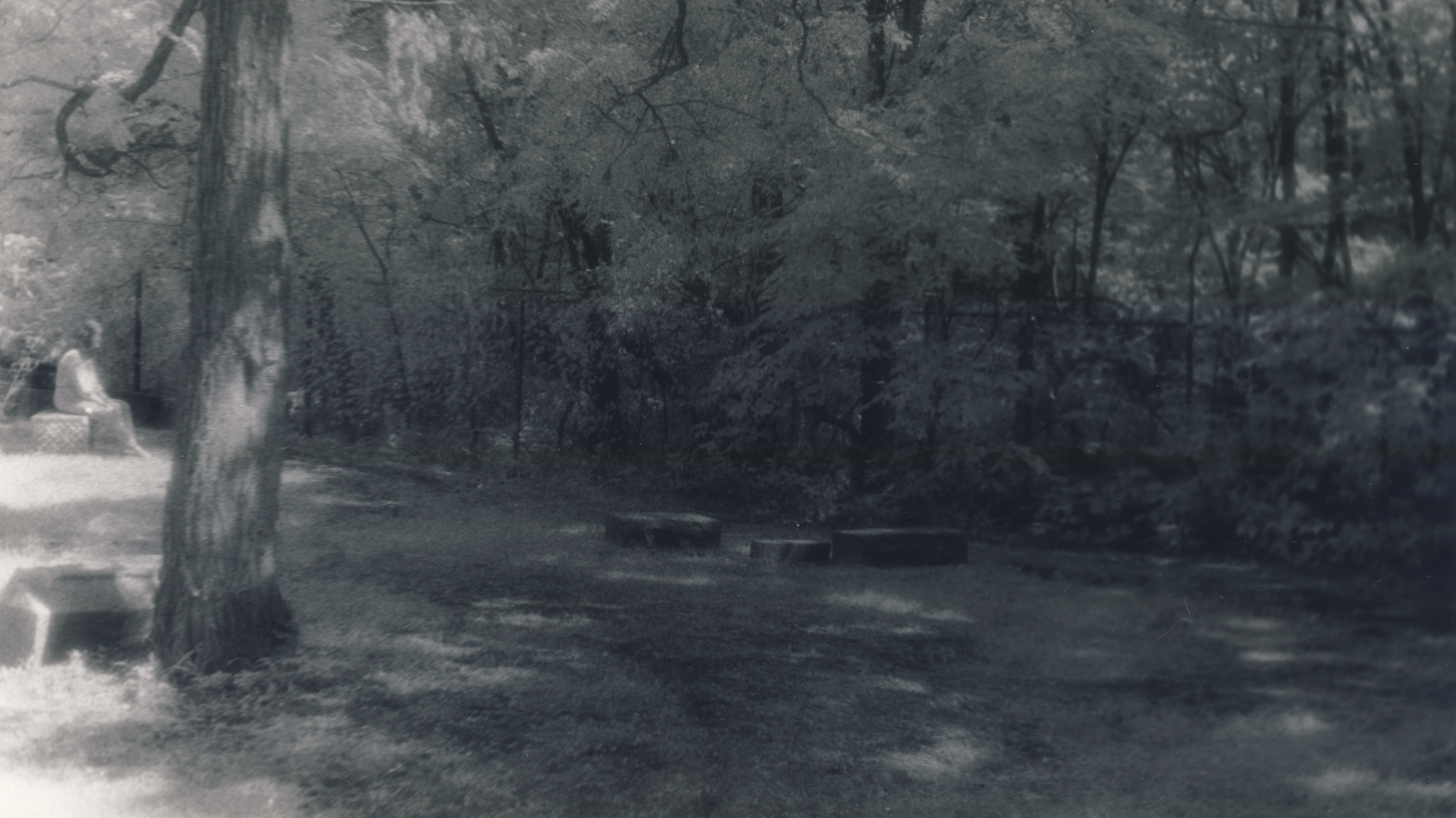
9) Madonna of Bachelor’s Grove (1991, Midlothian, Illinois)
During an August 10, 1991 investigation at Chicago’s Bachelor’s Grove Cemetery, Ghost Research Society member Judy (Jude) Huff-Felz captured what has become one of the most iconic paranormal photographs ever taken—a luminous “woman in white” seated calmly on an empty headstone. The cemetery, notorious for decades of ghost stories, mob-dumping rumors, and strange lights in the woods, was already considered one of the Midwest’s most haunted sites, but this single frame cemented its reputation worldwide. The image shows a clearly defined female figure with visible clothing folds, hair, and even a somber expression, despite the stone itself being vacant. Skeptics argue it could be a photographic artifact or double exposure, yet no alternate negatives or versions have ever surfaced, leaving the “Bachelor’s Grove Woman” endlessly debated and continuously shared as the cemetery’s defining ghostly symbol.
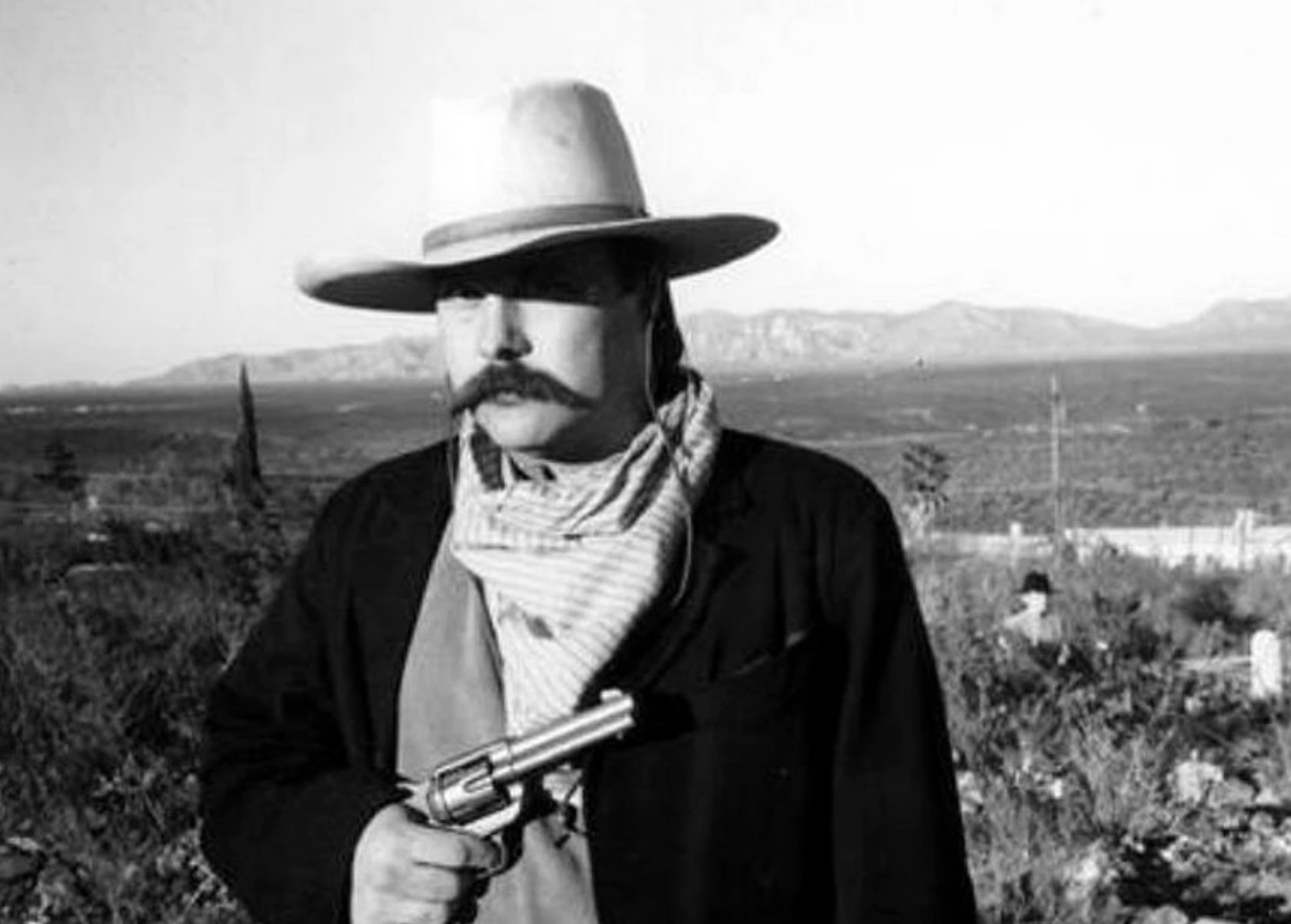
10) The Boot Hill Cemetery Cowboy Figure (1996, Tombstone, Arizona)
At Tombstone, Arizona’s historic Boot Hill Graveyard, a tourist named Ike Clanton (a descendant of the famous Clanton family of O.K. Corral fame) posed for a photo dressed in cowboy attire as part of a Western-themed snapshot. When the film was developed, however, a mysterious figure seemed to be standing in the background behind him—wearing what looked like a cowboy hat and long clothing. Clanton insisted no one else was there when the photo was taken, and photographic experts later noted that the figure’s lower body appeared faint, as if partially transparent. Some skeptics dismissed it as a trick of lighting or double exposure, but believers point out that Boot Hill, with its violent history of gunfights and frontier justice, is the perfect setting for lingering spirits.No matter where you stand—firm skeptic, curious observer, or full believer—there’s something about these photos that refuses to let go. They’ve been shared, argued over, and reprinted for decades, each one carrying its own mystery. And as Halloween fills the nights with a little more shadow and a lot more imagination, these haunting images are the perfect reminder that sometimes the unknown makes the best story of all.
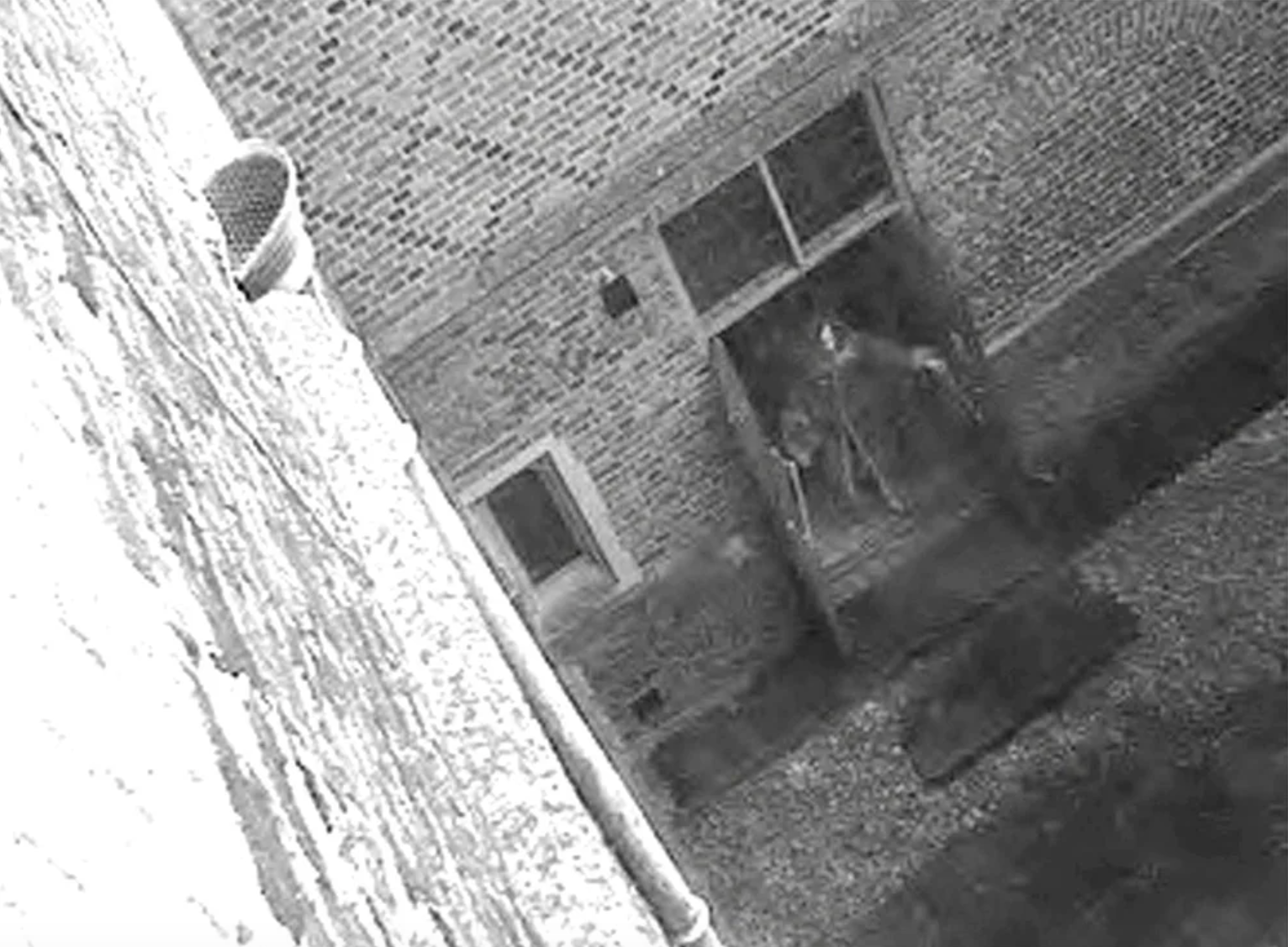
11) The Hampton Court Palace Ghost (2003)
In 2003, security cameras at London’s Hampton Court Palace—long rumored to be haunted by figures like Catherine Howard and other Tudor-era spirits—captured startling footage of a tall, robed figure with a skeletal-looking face. The “ghost” appeared on multiple days, seemingly opening and closing a heavy fire door in an empty corridor. Palace officials released the images to the press, where they became international news, with some dubbing the apparition the “Skeletor Ghost” due to its chilling appearance. While skeptics proposed that it could have been a costumed prankster or an illusion caused by lighting and the CCTV’s resolution, no staff members were found responsible, and the palace confirmed the door was locked from the inside. The footage remains one of the most widely shared examples of a ghost caught on security cameras in the modern era.
12) Waverly Hills Sanatorium Ghost (2006)
Often called “Mary Lee,” this photo was taken during a tour of the abandoned Waverly Hills Sanatorium, a building infamous for its thousands of deaths during the tuberculosis epidemic. In one widely circulated image, a semi-transparent figure of a young girl in old-fashioned clothing seems to stand in a corridor, her form faint but distinct. The photo was snapped quickly and reportedly not noticed until later. While skeptics suggest double exposure or smudges on the camera lens, many visitors and investigators claim to have seen similar apparitions at Waverly, giving the photo a reputation as one of the clearest images from a site long considered one of the most haunted in the United States.
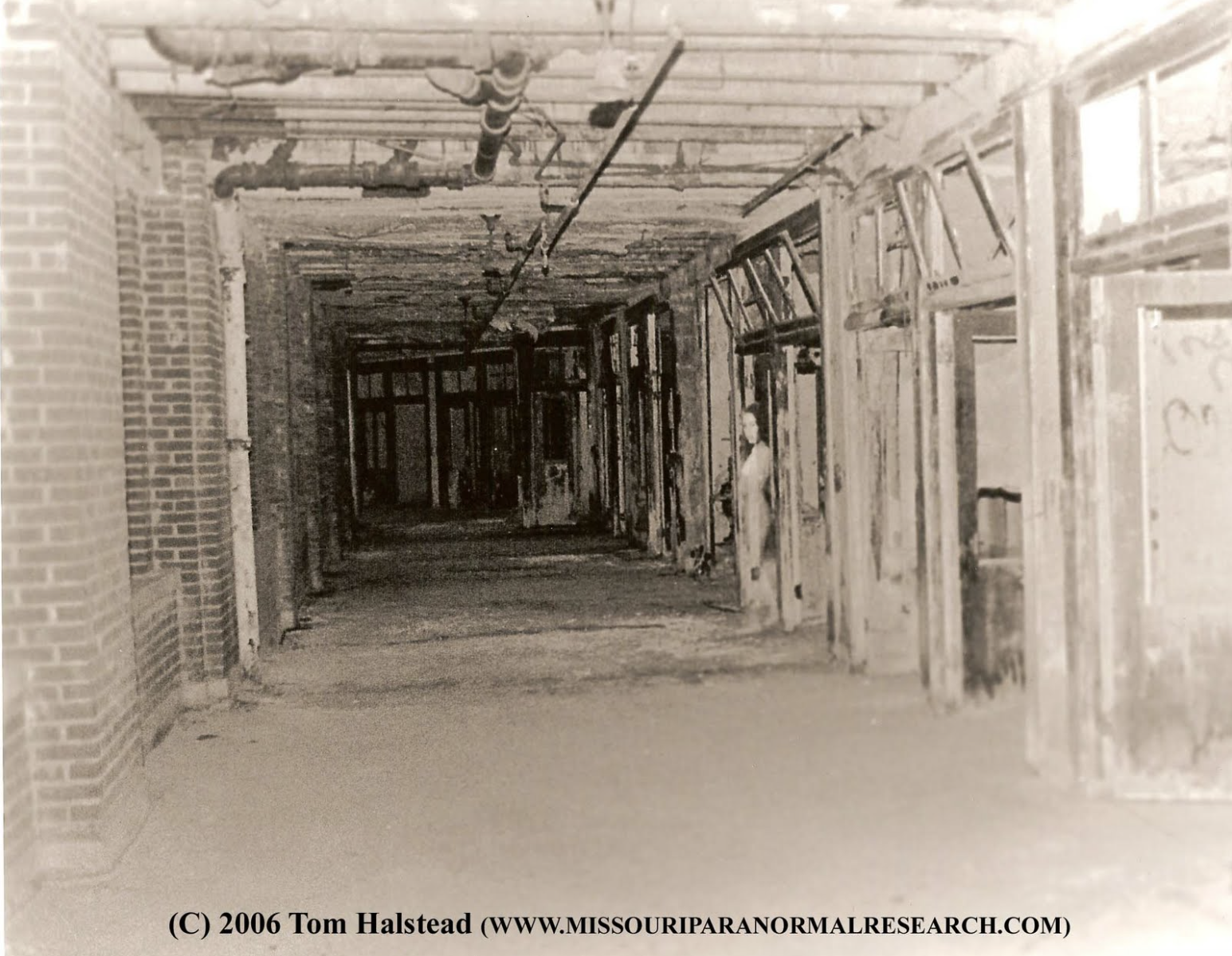
Tom Halstead, Waverly Hills Sanatorium
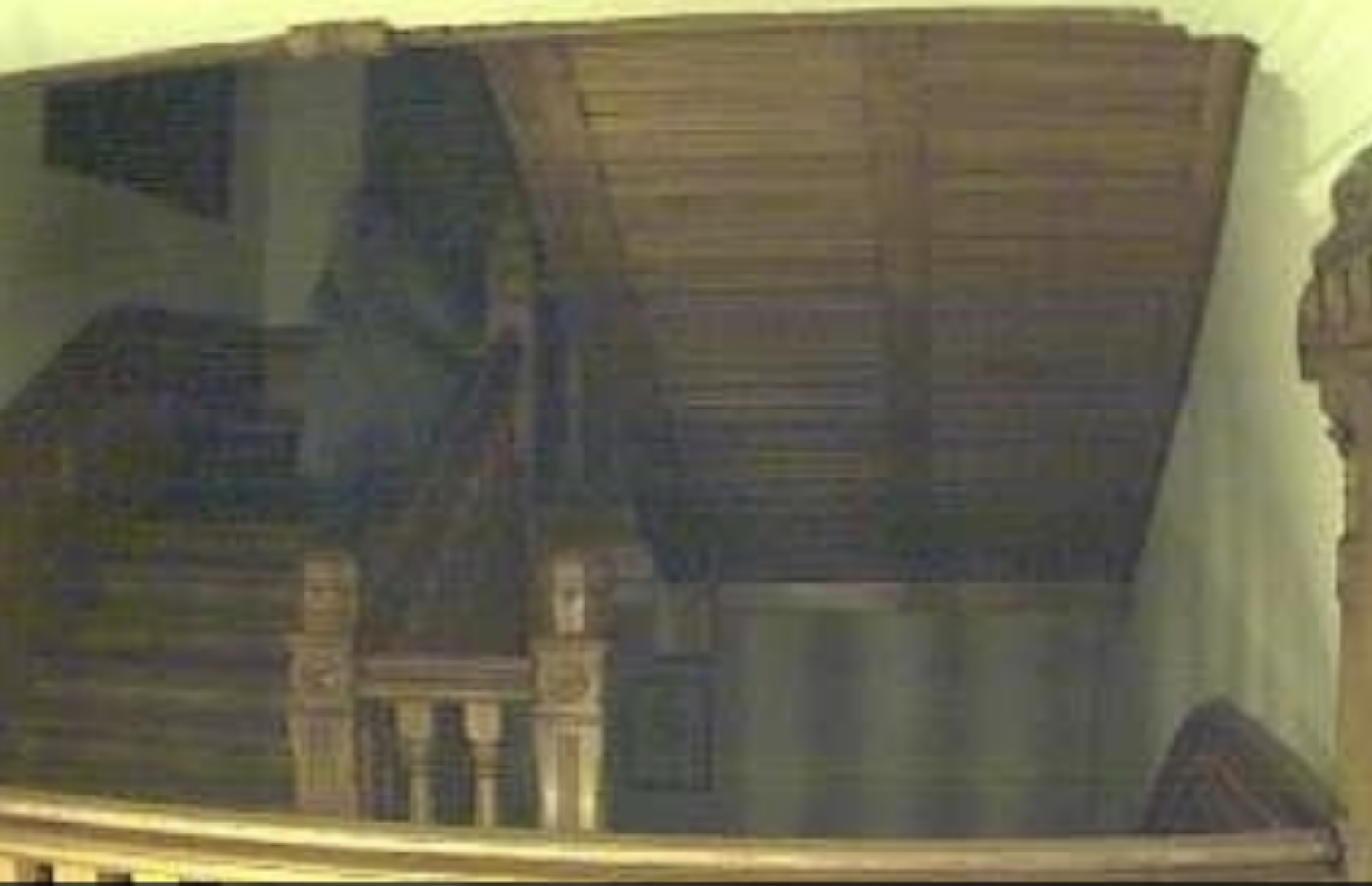
13) The Grey Lady of Willard Library (1990s–2000s)
Since the late 1930s, staff and visitors at Willard Library in Evansville, Indiana, have spoken of a spectral “Grey Lady” drifting through its halls, often described as a woman in Victorian dress. The legend took on new weight in the 1990s when security cameras, installed to monitor the building, captured a faint, human-shaped mist on the stairwell—an image widely circulated by newspapers and paranormal researchers. Over the following years, visitors and investigators claimed to photograph her again, with some shots showing a pale, semi-transparent figure in period clothing. While skeptics argue the images could be light reflections, camera artifacts, or even dust, the Grey Lady’s repeated appearances—combined with the library’s decision to host a live “Ghost Cam” for the public—have made her one of the most enduring and photographed spirits in American ghost lore.
No matter where you stand—firm skeptic, curious observer, or full believer—there’s something about these photos that refuses to let go. They’ve been shared, argued over, and reprinted for decades, each one carrying its own mystery. And as Halloween fills the nights with a little more shadow and a lot more imagination, these haunting images are the perfect reminder that sometimes the unknown makes the best story of all.
For more ghost photography, check out 10 Photos of Unexpected Ghosts and Entities Taken at Family Gatherings, 6 Images of Ghost Monks Caught on Camera, and Ghost in the Graveyard? Haunting Images of Alleged Cemetery Ghosts Caught on Camera.
